
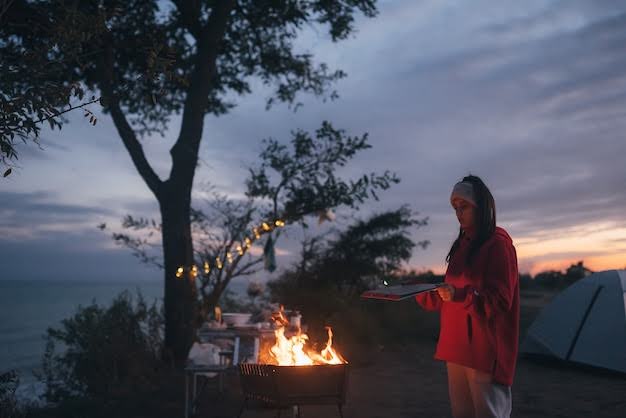
For many outdoor enthusiasts, the allure of the Smoky Mountains brings about the decision to camp. However, two distinct styles of outdoor enjoyment exist: traditional camping and glamping. Both offer unique experiences in the breathtaking setting of the Smokies. In this blog, we will compare traditional camping to glamping in the Smokies, highlighting the benefits and differences of each.
1. Accommodations: Comfort vs. Simplicity
The most obvious difference between traditional camping and glamping in the Smokies lies in the accommodations. Traditional camping often involves pitching a tent, sleeping on the ground with minimal amenities, and relying on campfires for cooking and warmth. While this can be invigorating and bring you closer to nature, it isn’t always the most comfortable option.
In contrast, glamping in the Smokies offers luxurious accommodations, such as treehouses or safari tents, equipped with comfortable beds, en-suite bathrooms, and even kitchenettes.
2. Amenities and Facilities
When it comes to amenities and facilities, glamping in the Smokies takes the lead. Traditional campsites typically offer basic restroom facilities and perhaps a communal cooking area, which may not always be well-maintained. Campers often need to bring their own gear, cooking utensils, and food, which can feel cumbersome.
On the other hand, glamping sites go above and beyond in providing facilities that enhance the experience. From quality bedding and heating to gourmet meals prepared on-site, glamping allows guests to indulge in luxurious amenities.
3. Location and Privacy
Both traditional camping and glamping in the Smokies provide fantastic access to the natural beauty of the area; however, they differ in terms of location and privacy. Traditional camping might place you right next to fellow campers, leading to crowded conditions and noise. While it can foster camaraderie, some may prefer a more secluded environment.
Glamping, on the other hand, often features accommodations situated in private settings, allowing for a more intimate experience with nature.
4. Activities and Experiences
Both camping styles offer a variety of activities, but the focus and accessibility differ. Traditional camping often emphasizes outdoor skills such as fire-building, meal preparation, and navigating trails. Campers tend to spend a lot of time setting up and breaking down their sites.
In contrast, glamping in the Smokies enables you to spend more time enjoying activities. With less time dedicated to logistics, glampers can partake in guided hikes, wildlife watching, or relaxation without the hassle of managing equipment.
5. Target Audience
Finally, the target audience for traditional camping and glamping in the Smokies can vary greatly. Traditional camping typically attracts those who are more experienced and comfortable with outdoor survival skills, seeking an authentic experience.
Conversely, glamping appeals to those who desire the beauty of nature without the hardships associated with camping. Families, couples, and individuals looking for a unique getaway often find glamping to be a perfect balance of adventure and luxury.
Conclusion
In conclusion, both traditional camping and glamping in the Smokies offer distinctive experiences, each with its own merits. While traditional camping emphasizes simplicity and self-sufficiency, glamping provides comfort, luxury, and convenience, making it an enticing choice for a wide range of travelers.
Whether you prefer the rugged charm of camping or the refined indulgence of glamping, the Smokies promise a memorable escape into the great outdoors.