
Pallet express shipments offer businesses a reliable way to transport goods efficiently and securely. Proper packaging and handling are essential to ensure that items arrive safely and intact at their destination.
By understanding best practices for pallet express shipments, businesses can minimize damage, streamline logistics, and maintain customer satisfaction. Effective planning and execution in packaging and handling help maximize the benefits of pallet express services.
1. Selecting the Right Pallets
The first step in ensuring a successful pallet express shipment is selecting the appropriate pallets. Pallets come in various materials, including wood, plastic, and metal, each with unique advantages. Choosing the right pallet for your cargo ensures stability, durability, and ease of handling during transit.
For pallet express shipments, sturdy and standardized pallets help prevent shifting and damage, making it easier for handlers to move and stack goods efficiently.
2. Properly Packing Your Items
Packing is critical for safeguarding your goods during pallet express shipments. Items should be evenly distributed across the pallet to maintain balance and prevent tipping. Using boxes of consistent size and weight allows for secure stacking and reduces the risk of items being crushed or damaged.
Wrapping pallets with stretch film or shrink wrap adds an extra layer of protection and keeps items tightly secured throughout the shipping process.
3. Labeling and Documentation
Accurate labeling and documentation are essential when preparing pallet express shipments. Each pallet should have clear labels indicating the contents, destination, and handling instructions.
Proper documentation, including shipping invoices and tracking information, ensures smooth processing through logistics and reduces the likelihood of delays or misplacement. Clear labeling and documentation allow pallet express providers to handle shipments efficiently and safely.
4. Handling Guidelines
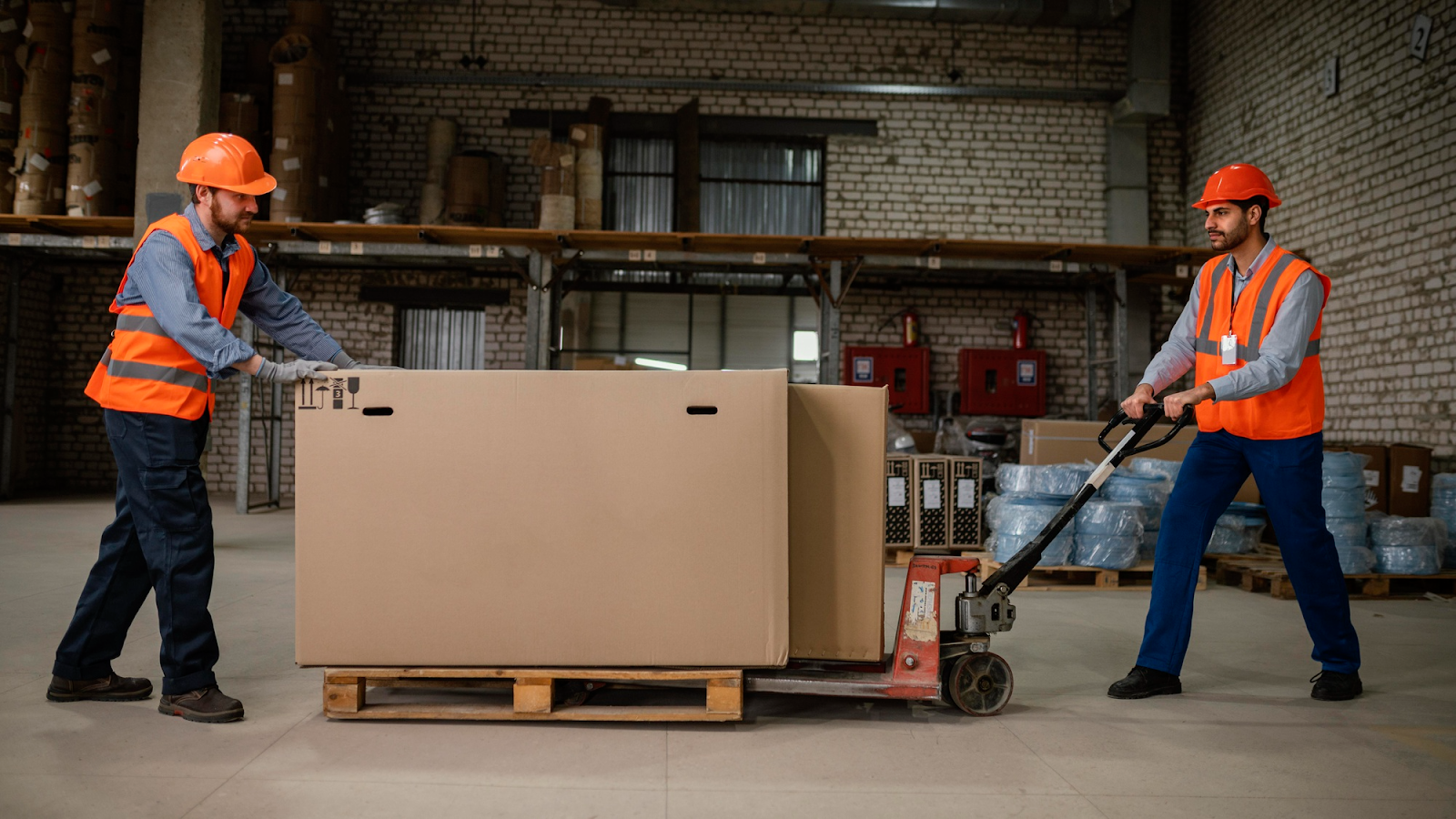
Safe handling practices play a crucial role in protecting your cargo during pallet express shipments. Use forklifts or pallet jacks to lift and move pallets, avoiding manual lifting whenever possible to reduce the risk of damage.
Ensure that pallets are not stacked too high, which can lead to instability and accidents. Educating staff and handlers on proper techniques helps maintain the integrity of your pallet express shipments and prevents costly damages.
5. Securing and Protecting Fragile Items
For pallet express shipments that include fragile or sensitive items, additional precautions are necessary. Cushioning materials, such as bubble wrap, foam, or cardboard inserts, can absorb shocks and vibrations during transit.
Clearly marking fragile items and placing them on top or in the center of the pallet reduces the risk of breakage. Implementing these protective measures ensures that fragile goods arrive in excellent condition and maintains the reliability of pallet express services.
6. Regular Maintenance and Inspection
Maintaining pallets and performing routine inspections are essential for successful pallet express shipments. Check for cracks, splinters, or other damage that could compromise the structural integrity of the pallet.
Ensuring that pallets are in good condition reduces the risk of accidents, delays, and damage to goods. Regular maintenance and inspection practices enhance the overall efficiency and safety of pallet express shipments.
Final Thoughts
Following these packaging and handling tips ensures that pallet express shipments are safe, secure, and efficient. By selecting the right pallets, packing items correctly, labeling accurately, practicing safe handling, protecting fragile items, and maintaining equipment, businesses can maximize the benefits of pallet express services. Proper preparation guarantees that goods reach their destination intact, on time, and ready for use.